
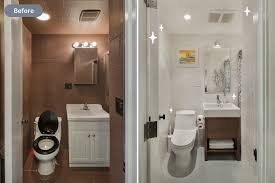
Waterproofing is one of the most critical yet often overlooked aspects of bathroom renovation in the UK. Because of the country’s damp climate and frequent rainfall, bathrooms are constantly exposed to moisture, making proper waterproofing essential for preventing long-term structural damage.
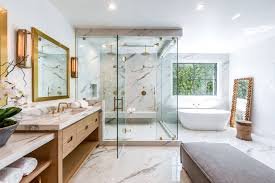
A poorly waterproofed bathroom can lead to mould growth, peeling paint, rot in structural materials, and even costly repairs to walls and floors. In 2026, UK homeowners are becoming more aware that waterproofing is not optional—it is a fundamental requirement for any successful bathroom remodel.
Why Waterproofing Is So Important in the UK
Unlike many warmer countries, the UK experiences high humidity levels throughout the year. Bathrooms generate additional moisture through showers, baths, and sinks, creating the perfect environment for damp problems.
Without proper waterproofing, common issues include:
- Black mould growth on walls and ceilings
- Water seepage into floors and joists
- Tile adhesive failure
- Persistent musty smells
- Structural weakening over time
These problems are not just cosmetic—they can significantly reduce property value and lead to expensive repairs.
Understanding Bathroom Wet Zones
In modern UK bathroom design, the concept of “wet zones” is essential. These are areas that are directly exposed to water, such as:
- Shower enclosures
- Bath surrounds
- Sink splash zones
These areas require stronger waterproofing measures compared to dry zones like toilet corners or storage areas.
Proper planning ensures that moisture is contained and does not spread to other parts of the bathroom.
Tanking: The Core Waterproofing Method
Tanking is the most widely used waterproofing method in UK bathrooms. It involves applying a waterproof membrane or coating to walls and floors before tiling.
Tanking systems typically include:
- Waterproof primer
- Liquid or sheet membrane
- Sealing tape for joints and corners
Once applied, this creates a fully sealed surface that prevents water penetration beneath tiles.
Tanking is especially important in wet rooms and walk-in showers, which have no traditional shower trays or enclosures.
Waterproof Boards vs Traditional Plasterboard
In modern UK renovations, waterproof boards are increasingly replacing standard plasterboard in bathroom construction.
Benefits of waterproof boards include:
- Resistance to moisture absorption
- Reduced risk of mould growth
- Stronger base for tiles
- Longer lifespan compared to standard boards
They are commonly used in shower areas and behind baths for added protection.
Flooring Waterproofing Techniques
Bathroom floors are particularly vulnerable to water damage, especially in older UK homes where subflooring may be made of timber.
Common waterproofing methods include:
- Liquid waterproof membranes
- Vinyl flooring systems
- Tanked screed layers
For tiled floors, waterproof membranes are applied beneath the tiles to prevent seepage into the subfloor.
Grout and Silicone Sealing
Even with waterproof boards and membranes, joints and edges remain vulnerable points.
High-quality sealing materials are essential:
- Epoxy grout (more water-resistant than cement grout)
- Anti-mould silicone sealant
- Flexible joint fillers
These materials help prevent water from penetrating tile lines and corners.
Regular maintenance of silicone seals is also important, as they degrade over time.
Wet Rooms and Full Waterproofing
Wet rooms are becoming increasingly popular in UK homes, especially in modern renovations and small bathrooms.
A wet room requires full waterproofing of:
- Entire floor area
- All walls up to a certain height
- Drainage system integration
Because water is not contained within a shower tray, waterproofing must be completely airtight to prevent leakage.
Common Waterproofing Mistakes in UK Bathrooms
Many homeowners make avoidable mistakes during renovation:
- Skipping tanking in shower areas
- Using standard plasterboard in wet zones
- Poor sealing around fixtures
- Ignoring floor waterproofing
- DIY installation without proper materials
These mistakes often lead to expensive repairs within a few years.
Professional Waterproofing vs DIY
While some waterproofing products are DIY-friendly, professional installation is strongly recommended for UK bathrooms.
Professionals ensure:
- Correct application of membranes
- Compliance with UK building standards
- Proper sealing of joints and corners
- Long-term durability
Improper waterproofing can void warranties on tiles and fixtures.
Final Thoughts
Bathroom waterproofing is not a visible design feature, but it is one of the most important parts of any renovation. In the UK, where damp conditions are common, proper waterproofing protects the structure of the home and ensures long-lasting results.
Investing in tanking systems, waterproof boards, and high-quality sealing materials is essential for preventing future damage and maintaining a healthy bathroom environment.