
Bathroom lighting is one of the most underestimated elements in home renovation, yet it has a huge impact on both functionality and atmosphere. In UK homes, where natural light is often limited due to weather and architectural layouts, proper lighting design becomes even more important.
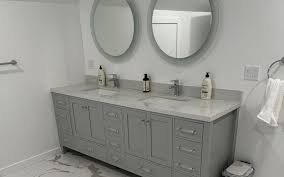
In 2026, bathroom lighting is no longer just about visibility. It is about creating mood, enhancing design features, improving safety, and supporting energy efficiency. A well-planned lighting system can transform even a small or outdated bathroom into a modern, luxurious space.
Why Bathroom Lighting Matters in UK Homes
Many bathrooms in the UK suffer from poor lighting due to small windows, internal room placement, or older electrical layouts. This can make the space feel smaller, colder, and less inviting.
Good lighting solves several problems:
- Improves visibility for daily grooming
- Enhances safety in wet areas
- Highlights design features
- Creates a relaxing atmosphere
- Makes small bathrooms feel larger
Lighting should always be planned at the same time as layout and plumbing—not as an afterthought.
Layered Lighting: The Modern Standard
In modern UK bathroom design, a single ceiling light is no longer enough. Instead, designers use a layered lighting approach, combining multiple light sources for different purposes.
1. Ambient Lighting
This is the main source of light in the bathroom. It usually comes from ceiling-mounted LED downlights or central fixtures. It ensures the entire space is evenly lit.
2. Task Lighting
Task lighting is essential for areas like mirrors and sinks. It helps with shaving, makeup, and skincare routines. LED mirror lights or wall-mounted sconces are commonly used.
3. Accent Lighting
Accent lighting is used to highlight design features such as textured walls, shelving, or freestanding baths. LED strip lighting is often installed under cabinets or behind mirrors.
Together, these three layers create a balanced and flexible lighting system.
LED Lighting: The UK Standard in 2026
LED lighting has become the dominant choice in UK bathrooms due to its energy efficiency and long lifespan. It consumes significantly less electricity compared to traditional bulbs, which is important given rising energy costs.
Benefits of LED lighting include:
- Low energy consumption
- Long lifespan
- Low heat output
- Wide range of colour temperatures
- Compatibility with smart systems
LED strips are especially popular for modern bathroom designs because they can be installed in hidden areas to create a floating or backlit effect.
Choosing the Right Colour Temperature
Colour temperature plays a major role in how a bathroom feels.
- Warm white (2700K–3000K): Creates a relaxing, spa-like atmosphere
- Neutral white (3500K–4000K): Balanced and natural-looking
- Cool white (5000K–6500K): Bright and clinical, ideal for task areas
In UK bathrooms, a combination is often used: warm lighting for relaxation zones and cooler lighting around mirrors.
Mirror Lighting: Essential for Functionality
Mirror lighting is one of the most important elements in bathroom design. Poor lighting around mirrors can cause shadows and make grooming tasks difficult.
Popular solutions include:
- LED backlit mirrors
- Vertical side sconces
- Integrated mirror cabinets with lighting
Backlit mirrors are especially popular in UK homes because they provide even illumination and a modern aesthetic.
Smart Lighting Systems
Smart lighting is becoming increasingly common in UK bathrooms. These systems allow homeowners to control brightness, colour, and timing through apps or voice assistants.
Features include:
- Dimmable lighting
- Motion sensors
- Colour temperature adjustment
- Scheduled lighting modes
For example, a morning setting might use bright white light, while an evening setting switches to warm, soft tones.
Lighting for Small Bathrooms
In smaller UK bathrooms, lighting is essential for creating the illusion of space. Poor lighting can make a small room feel even more cramped.
Effective strategies include:
- Using bright LED ceiling lights
- Installing mirrors to reflect light
- Adding LED strips under floating units
- Avoiding heavy shadows
The goal is to eliminate dark corners and distribute light evenly.
Waterproof and Safety Considerations
Bathrooms are classified into electrical zones in the UK, and lighting must comply with strict safety regulations.
Key considerations:
- Use IP-rated fixtures (water-resistant)
- Avoid standard indoor lights in wet zones
- Ensure proper installation by qualified electricians
This is especially important in shower areas where water exposure is high.
Statement Lighting in Modern Bathrooms
Lighting is no longer purely functional—it is also a design feature. Statement lighting fixtures are becoming popular in larger UK bathrooms.
Examples include:
- Pendant lights above freestanding baths
- Designer wall sconces
- Sculptural ceiling lights
These fixtures add personality and elevate the overall design.
Final Thoughts
Bathroom lighting in UK homes has evolved into a key design element that affects comfort, safety, and style. A well-planned lighting system uses multiple layers, energy-efficient LEDs, and smart controls to create a flexible and modern environment.
Whether renovating a small bathroom or designing a luxury space, lighting should always be a top priority—not an afterthought.